Norweco Singulair Green: A Complete Guide for Homeowners
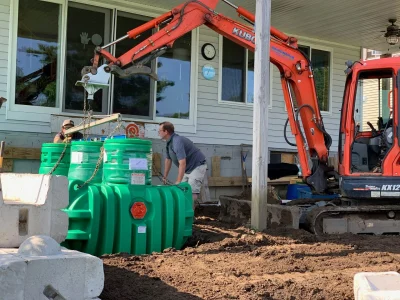
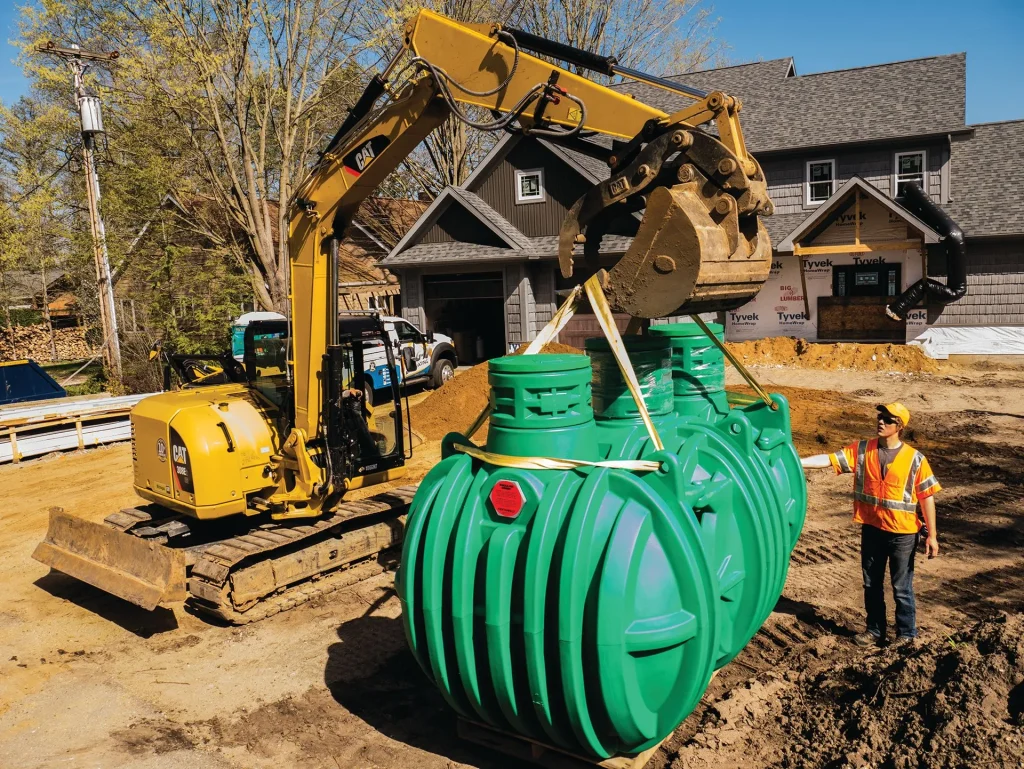

If you are looking at a norweco singulair green system, you are probably dealing with one norweco singulair green of three situations. You are building on land that will not support a conventional septic field, you are replacing a failed system under tighter environmental rules, or you bought a home with an aerobic treatment unit and want to understand what is in the yard and why it matters.
That puts you in a category of homeowner with more to think about than someone with a basic gravity septic tank. The Singulair Green is not just a tank buried in the ground. It is part of a treatment approach designed to clean wastewater to a higher standard before it leaves the system. When it is selected properly, installed correctly, and maintained on schedule, it can solve site problems that a conventional septic setup cannot handle well. When any of those pieces are off, it can become an expensive source of frustration.
I have seen both outcomes. The difference is rarely the brand name alone. It is usually the match between the property, the installer, local code requirements, and the homeowner’s expectations.
What the Norweco Singulair Green is meant to do
At a practical level, the Singulair Green is a residential wastewater treatment system that uses aerobic treatment principles. In plain language, it introduces and manages oxygen in the treatment process so beneficial bacteria can break down waste more aggressively than in a typical anaerobic septic tank.
A conventional septic tank mostly separates solids, fats, and liquid, then relies heavily on the soil in the drainfield to finish the treatment. An aerobic unit shifts more of that treatment into the tank itself. That matters on small lots, difficult soils, waterfront properties, and sites with a high water table, where local authorities often require better effluent quality before discharge to a field, drip dispersal area, or other approved outlet.
Homeowners sometimes assume “green” in the product name means it is maintenance free or especially simple. That is not how these systems work. The environmental benefit comes from improved treatment performance, not from reduced oversight. In fact, a system like this usually asks more of the owner than a basic septic tank does. It needs monitoring. It often needs periodic service. In many areas, that is not optional.
Why properties end up needing a system like this
Soil and site limitations drive many wastewater decisions. A house on deep, well-drained, sandy soil can often use a fairly standard septic design, subject to local code. A house on clay, shallow rock, seasonally high groundwater, or a tight waterfront lot often cannot.
This is where advanced treatment systems enter the picture. They help reduce contaminants before the wastewater reaches the soil dispersal area. That improved treatment can be the difference between a permitted buildable lot and a site that fails review.
I once walked a property with a homeowner who was convinced the county was pushing an expensive upgrade for no reason. The lot looked large enough from the road. Once we got behind the house, the constraints were obvious. The buildable area narrowed fast, the slope changed, and there was standing water near the edge of the proposed field area after several dry days. A conventional design would have been a poor fit. An advanced treatment unit was not overkill, it was the practical path to getting the project approved and keeping wastewater where it belonged.
How the treatment process works in real terms
Most homeowners do not need a laboratory-level explanation, but they do need to understand the moving parts. Advanced residential systems generally treat wastewater in stages. Solids settle out, scum is retained, biological treatment occurs in an aerated zone, and clarified effluent moves onward for final dispersal or disinfection, depending on the design and local requirements.
The key distinction is that aerobic treatment depends on oxygen and active biological processes. That means the system’s internal environment matters. Flow patterns matter. Retention time matters. Mechanical components matter. If the air delivery side is not working properly, treatment quality can drop. If sludge is not managed, solids can carry over and create downstream problems. If the homeowner sends harsh chemicals or non-flushable material into the system, the biology can be disrupted.
This is why experienced installers and service providers tend to emphasize habits, not just hardware. A good unit can tolerate normal life. It is not designed to absorb every bad practice indefinitely.
What homeowners usually notice day to day
Most of the time, a well-functioning Singulair Green system is not something you think about every morning. There is no reason it should smell around the house or yard under normal conditions. Fixtures should drain normally. The area over the treatment and dispersal components should remain stable, not soggy, flooded, or sunken. If the system includes alarms or indicators, those should remain in normal status.
What changes the day-to-day experience is the service relationship. A homeowner with a standard septic tank may go years between serious interactions beyond pumping and occasional inspection. With an aerobic treatment unit, periodic professional checks are often part of the package. Some owners appreciate that structure because someone is keeping eyes on the system. Others find it annoying until they realize those visits catch problems while they are still affordable.
Installation quality matters as much as the equipment
This is where many online comparisons fall short. People debate brands when the more important question is often who is designing and installing the system, and how carefully they will support it after startup.
A system can be excellent on paper and still perform badly if the excavation was sloppy, the elevations were off, the electrical work was unreliable, or the dispersal field was undersized for actual site conditions. I have seen homeowners blame the treatment unit for surfacing effluent when the real problem was poor drainage management around the field. I have also seen a system struggle because roof drains or groundwater infiltration were dumping far more water into it than intended.
When evaluating a proposed installation, ask how the treatment unit ties into the full wastewater plan for your property. The tank is only one piece. You want to know where the treated effluent goes, what reserve area exists if your jurisdiction requires one, how access for pumping and service will be preserved, and whether traffic loads will be kept off the system area.
A polished sales pitch is not enough. Good wastewater design tends to sound a little boring because it focuses on boring things: grades, setbacks, soil reports, pump sizing, control access, and future maintenance.
The maintenance reality homeowners should expect
The biggest mistake new owners make is treating an aerobic treatment unit like a buried appliance they can ignore. It is closer to a small utility system serving one house. It needs periodic attention, even when nothing seems wrong.
Routine service usually involves inspection of mechanical components, observation of sludge and scum levels, confirmation that alarms and controls function properly, and evaluation of effluent clarity and flow. Pumping frequency depends on household size, actual use, and the amount of solids accumulating over time. It is not wise to guess. Service records are much more useful than rules of thumb copied from a neighbor with a completely different setup.
Here are the habits that make the biggest difference for long-term performance:
- Spread out heavy water use, especially laundry, instead of sending large surges in a short period.
- Keep grease, wipes, hygiene products, and other non-biodegradable material out of the drains.
- Use cleaners sensibly rather than pouring strong disinfectants or solvents into the system.
- Protect the treatment and dispersal areas from vehicles, heavy storage, and aggressive root intrusion.
- Respond quickly to alarms, odors, or wet spots instead of waiting for the next scheduled visit.
Those points sound simple, but they are where many failures begin. A weekend of guests, back-to-back loads of laundry, and a household habit of flushing “flushable” wipes can create a chain of problems that does not show up immediately. By the time symptoms reach the yard, the damage is already underway.
What it tends to cost, and why price ranges vary so much
No honest contractor should give you a universal installed price for a system like this without understanding the site. Costs vary by region, permitting requirements, excavation conditions, treatment capacity, electrical needs, and the type of final dispersal system used after treatment. A straightforward replacement on accessible ground is one thing. A difficult retrofit with tight access, imported fill, pumps, controls, and a specialized dispersal field is another.
Homeowners also need to separate initial installation cost from lifetime ownership cost. Advanced treatment systems usually involve more service expense than conventional gravity systems. That does not make them a bad choice. It just means you should budget like an owner, not like a shopper looking only at the quote total.
When comparing proposals, look beyond the number at the bottom. Ask what is included in startup, who handles inspections, whether a service agreement is expected, what alarm response looks like, and how replacement parts are sourced in your area. A lower bid can become the expensive one if it excludes critical components or leaves you searching for support after installation.
Performance depends on the household, not just the equipment
People often ask whether a treatment system is “good” in the abstract. That is not quite the right question. A better question is whether it performs reliably under the way your household actually lives.
A retired couple who travels frequently will load a system differently than a family of six with teenagers, sports uniforms, long showers, and constant guests. A short-term rental can be harder on a system than a full-time residence because occupancy swings are sharp and user behavior is unpredictable. Even well-intentioned owners can stress a system if they have a habit of doing all cleaning, bathing, and laundry in one compressed window every weekend.
This does not mean a Singulair Green cannot handle normal residential use. It means the best results come from sizing and operation that reflect real use patterns. If you are planning an addition, a home office with staff, or a conversion to a rental property, bring that up before design is finalized. Septic problems often start with a quiet mismatch between the system’s assumed loading and the property’s actual use.
Common problems, and what they usually point to
When homeowners call in a panic, the symptoms tend to sound familiar. Slow drains, unpleasant odors near the system area, standing water, alarms, or a patch of grass growing like a greenhouse experiment over part of the yard. None of these symptoms automatically identify a single cause, but they do narrow the field.
Slow drainage inside the home might have nothing to do with treatment quality at all. It could be a building sewer blockage or plumbing issue. Odors can come from venting problems, overloaded conditions, or components not operating as intended. Wet spots can point to dispersal field trouble, hydraulic overload, or groundwater interactions.
The hardest part for homeowners is that symptoms often show up away from the true cause. An alarm in the control panel may be triggered by one component, while the underlying issue started weeks earlier with excessive water use or deferred pumping. That is why good service technicians spend time observing the entire system rather than swapping one part and heading out.
If you own a norweco singulair green system and something changes suddenly, timing matters. A same-week service call is much cheaper than a months-later excavation.
The role of inspections and service contracts
Some homeowners bristle at the idea of a service agreement, especially if they came from a conventional septic background. Yet for advanced treatment systems, regular oversight is often one of the strongest protections you have. In some jurisdictions it is a permit condition. In others it is simply smart ownership.
A solid service visit should leave a paper trail. You want records of what was checked, what was observed, whether solids levels were acceptable, whether alarms were tested, and what recommendations were made. Those records become extremely useful if you sell the house, file a warranty claim, or need to demonstrate responsible maintenance to a local authority.
I have seen home sales stall because nobody could document what had been done to an advanced treatment system for years. Buyers got nervous, lenders asked questions, and a manageable maintenance history became a negotiation problem. A folder of service reports has more value than many owners realize.
How this system compares with a conventional septic setup
For the right site, a conventional system has obvious appeal. It is simpler, often cheaper to maintain, and less dependent on mechanical operation. If your property supports it and local rules allow it, simplicity has real value.
But simplicity is not always available. The case for an advanced unit like the Singulair Green usually comes down to treatment performance under difficult conditions. If your lot has environmental constraints or the permit path requires higher-quality effluent, comparing it to an idealized low-cost conventional system is not especially helpful. That option may not exist for your site in the first place.
The more relevant comparison is often this: would you rather own a properly maintained advanced system that is suited to the property, or fight recurring issues from a marginal design that was forced into a site it never fit well? In practice, most homeowners choose reliability once they understand the stakes.
Questions worth asking before you commit
If you are still in the decision phase, the smartest move is to slow the process down and ask better questions. Do not just ask whether this system is “the best.” Ask how it fits your lot, your local code, and your expected use.
Use these questions to pressure-test the proposal:
- Why is this treatment approach being recommended for my property instead of a simpler alternative?
- What maintenance schedule should I realistically expect, and who provides that service locally?
- How will treated effluent be dispersed on my site, and what happens if that area ever underperforms?
- What owner responsibilities are required by permit, warranty, or service agreement?
- If an alarm or mechanical problem occurs, what is the expected response time and likely repair path?
A good contractor or designer should answer norweco singulair green these plainly. If you get vague reassurance instead of specifics, keep asking.
What to know if you are buying a house with one already installed
Buying an existing home with a norweco singulair green system is different from ordering one for new construction. You are inheriting the quality of past ownership. That can be fine, or it can be expensive.
Ask for service records, pumping history, permit documentation, and any as-built drawings available. During inspection, make sure the wastewater system is evaluated by someone familiar with advanced treatment units, not just general property defects. A home inspector may notice obvious red flags, but these systems deserve a more specialized look.
Pay attention to the surrounding site as well. Changes made by previous owners can affect system performance. Added patios, redirected drainage, sheds placed too close to service access, or landscaping that encourages root intrusion can all create headaches that do not appear on the listing sheet.
One of the best purchases a buyer can make is a thorough pre-closing septic evaluation. It feels expensive until compared with post-closing excavation and repair.
Living with the system without making it your hobby
Most homeowners do not want to become amateur wastewater operators. The good news is you do not need to. The goal is not obsession, it is informed stewardship.
Keep the access lids locatable. Maintain records. Use water reasonably. Do not flush nonsense. Honor the service schedule. If something seems off, call sooner rather than later. That is enough to put you ahead of many owners.
The biggest quality-of-life improvement is having a dependable service provider who explains things clearly. When homeowners understand what normal looks like, they stop worrying about every sound, every rainstorm, and every patch of green grass. Confidence usually comes from routine, not from internet rabbit holes.
Is the Norweco Singulair Green a good fit?
For many homeowners, yes, especially where site limitations or local environmental requirements make advanced treatment the practical choice. The system can be a strong solution when it is designed for the property, installed by experienced professionals, and maintained with discipline. It is not the cheapest path in every case, and it is not the most hands-off. But those are not the only measures that matter.
A wastewater system should first be judged on whether it protects the home, the soil, groundwater, nearby water bodies, and your ability to use the property without recurring trouble. On that standard, advanced treatment systems exist for a reason. They fill a need that basic systems cannot always meet.
If you are considering a norweco singulair green unit, think like an owner from day one. The right questions now will save you money, stress, and avoidable repair work later.
Excavating New Jersey LLC
406 County Rd 565, Wantage, NJ 07461, United States
+1 973-791-4284
FAQ About norweco singulair green
How much does a NORWECO septic system cost?
The installed cost depends on the selected unit, engineering, site access, excavation, electrical work, disposal-field design and required approvals. A tank-only price is not a complete installation quote. Ask Excavating New Jersey LLC for a site-specific, itemized estimate that also explains ongoing service costs.
How does a Norweco septic system work?
The Singulair Green uses pretreatment, aeration, clarification and filtration to treat domestic wastewater. In the aeration chamber, oxygen supports bacteria that break down organic material. The Bio-Kinetic unit provides further filtration and flow equalization. Final effluent disposal must follow the property's approved design and applicable requirements.
What is the average lifespan of a septic system?
There is no guaranteed lifespan for every system. Design, installation, soil conditions, wastewater loading and regular maintenance all matter, and mechanical parts may need replacement before the tank. For a Singulair Green system, follow the manufacturer's service schedule and have a qualified provider assess its condition and pumping needs.