Septic Services and Tank Inspections: Why They Matter


For many property owners, a septic system is easy to ignore because most https://emilioddin842.trexgame.net/eco-friendly-septic-services-for-modern-homes of it sits out of sight and does its job quietly. That silence can be misleading. A septic system is not passive infrastructure. It is a working treatment system that depends on flow, bacteria, soil conditions, proper installation, and regular care. When any part of that chain slips, the trouble tends to surface fast and expensively.
That is why septic services and periodic tank inspections matter so much. They protect the health of the people using the property, preserve the drain field, reduce emergency repairs, and help owners make smarter decisions before buying, selling, remodeling, or adding household demand. In practical terms, they often make the difference between a manageable maintenance bill and a five-figure replacement project.
People usually call for help after warning signs appear, slow drains, sewage odors, soggy patches in the yard, backups during heavy use. By then, the system may already be under stress. What experienced septic professionals try to encourage instead is a less dramatic pattern: inspect before failure, pump before overload, and address small issues while they are still small.
A septic system is simple in theory, unforgiving in practice
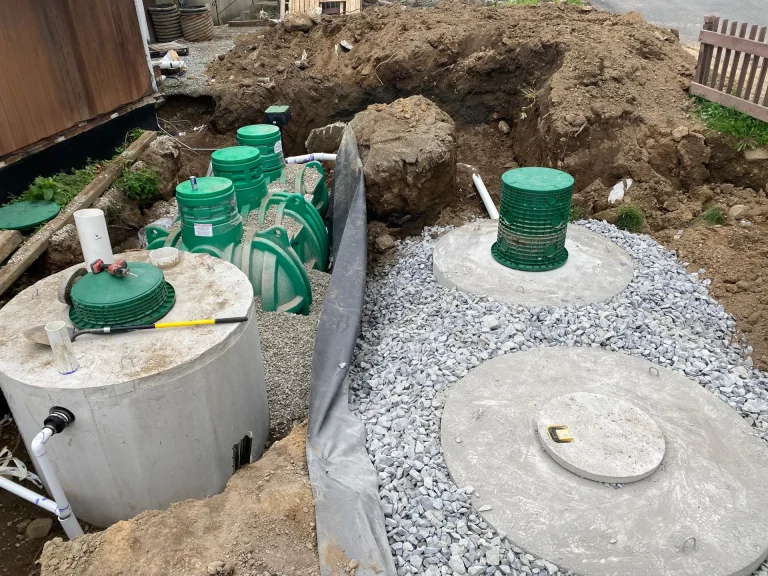
At a basic level, a conventional septic system separates and treats household wastewater in stages. Wastewater leaves the house and enters the septic tank. Solids settle to the bottom as sludge, fats and oils rise to the top as scum, and the liquid layer in between flows out to the drain field or another soil dispersal component. From there, the soil completes the treatment process.
That sounds straightforward, but there are many ways for performance to deteriorate. Tanks accumulate solids. Baffles can break. Filters can clog. Tree roots can enter piping. A drain field can become saturated by hydraulic overload, poor soil conditions, surface runoff, or years of neglected pumping. Even something as ordinary as a running toilet can push hundreds of extra gallons a day into a system that was sized for a much lower demand.
One of the more common misunderstandings is that if drains are moving, the system must be healthy. That is not always true. A tank can be overdue for pumping and still appear to work. A drain field can be nearing failure but continue to accept flow during dry weather. Septic problems often build gradually. The final symptom is what gets attention, but the underlying cause usually started earlier.
What septic services actually cover
When homeowners hear the phrase septic services, they often think only of pumping. Pumping is important, but it is just one part of the picture. Good service work is diagnostic as much as it is mechanical. It is about understanding the system, tracking its condition, and preventing damage that cannot be reversed once it reaches the soil treatment area.
A thorough service visit may include locating the tank, opening access lids, measuring sludge and scum levels, inspecting inlet and outlet baffles, checking effluent filters, observing liquid level inside the tank, evaluating flow from the house, and looking for signs of leakage or structural deterioration. On the site side, it may also involve checking the drain field area for wet spots, odors, lush strips of grass, surfacing effluent, or signs of compaction from vehicle traffic.
For systems with pumps, alarms, floats, or advanced treatment components, service becomes even more important. Mechanical components wear out. Electrical connections fail. Floats stick. Alarms get ignored or silenced. A system with moving parts gives owners more treatment control, but it also introduces more maintenance points.
Experienced technicians tend to notice patterns that are not obvious to the average homeowner. They can often tell, just from tank levels and residue lines, whether the issue is heavy water use, backflow from the field, a blocked outlet, or a leak upstream. That kind of judgment matters because the right fix depends on the right diagnosis. Pumping a tank may relieve symptoms for a short time, but if the drain field is saturated or the outlet baffle has failed, the relief may not last.
Inspections protect more than the tank
A septic tank inspection is not just a look inside a concrete box. It is a snapshot of the entire system's health at a given moment. It helps answer practical questions. Is the tank structurally sound? Are solids being retained properly? Is effluent leaving at the expected level? Is the field accepting flow? Is there evidence of past neglect? Has the household outgrown the original design?
These questions matter because the most expensive part of a septic system is usually not the tank. It is the soil absorption area, the part that cannot simply be swapped out in an afternoon. Once a drain field is badly damaged by solids carryover or long-term overloading, recovery can be difficult and uncertain. In many cases, replacement becomes the only realistic option, and replacement is where costs climb quickly.
That is why inspections are valuable even when nothing seems wrong. They reveal trends. A technician may see sludge building faster than expected because the household has grown. They may find a missing filter that should have been protecting the field. They may discover that roof runoff is draining toward the field and keeping the area too wet. None of those issues may trigger an obvious symptom immediately, but all of them shorten system life if left uncorrected.
The cost of delay is usually higher than the cost of maintenance
Owners sometimes postpone septic work because they want to avoid an unnecessary expense. That instinct is understandable. No one enjoys spending money on buried infrastructure. But septic systems punish delay in a way many other home systems do not.
A neglected tank eventually allows more solids to move toward the outlet. If those solids reach the drain field, they can clog the soil interface that is essential for treatment. Once that interface seals off, wastewater has nowhere to go. Backups begin. Wet areas develop. Odors spread. At that stage, pumping the tank may buy time, but it cannot undo years of solids damage in the field.
The price difference between routine service and major repair is often substantial. Pumping and inspection are usually predictable maintenance expenses. Replacing a failed drain field is not. Costs vary by region, soil, access, permits, and system type, but it is not unusual for a full replacement to run several times the cost of many years of proper care. If the site is difficult, if a mound or advanced treatment unit is needed, or if code requirements have changed since the original system was installed, the number can rise sharply.
There is also the less visible cost of disruption. A failed system can limit bathroom use, interfere with laundry, delay a property sale, and create sanitation concerns around the home. Emergency calls rarely happen at convenient times. A preventable septic emergency has a way of becoming everybody's problem at once.
Home sales are where inspections prove their value quickly
One of the clearest examples of why inspections matter comes during real estate transactions. Buyers often focus on roofs, HVAC equipment, foundations, and electrical panels. Septic systems deserve the same level of scrutiny, particularly for rural properties or homes outside municipal sewer service areas.
A seller may genuinely believe the system is fine because there have been no backups. That belief is not enough. A tank can be structurally compromised and still function for a while. A field can be near the end of its useful life but not yet failing visibly. An inspection gives both parties better information, and better information tends to prevent ugly disputes after closing.
In practice, inspections during a sale often uncover issues such as missing lids, unsafe access covers, tanks that have not been pumped in many years, distribution problems, or modifications to the house that increased bedroom count beyond the system's original design capacity. A home that started as a two-bedroom and was later marketed as a four-bedroom may have very different wastewater demands than the septic permit anticipated.
That mismatch matters because septic design is tied closely to expected daily flow. More occupants usually mean more water, more solids, and more strain on the system. A buyer who understands that before purchase can negotiate repairs, request records, budget for upgrades, or decide whether the property is still a good fit.
What a good inspection looks like in the field
Not all inspections are equally useful. A meaningful septic inspection involves direct access to the system, not guesswork from the surface. Looking for wet areas in the yard has value, but it does not replace opening the tank and evaluating what is happening inside.
A competent inspector or service provider usually wants to know the age of the system, the number of occupants, any recent problems, pumping history, whether the home has a garbage disposal, and whether there have been additions, remodels, or recurring wet spots. That background helps interpret what they see. A tank level that seems high might be normal under one set of conditions and a warning sign under another.
Weather also affects interpretation. After heavy rain, some yards look suspicious even when the septic system is not the cause. During drought, a struggling field may temporarily appear better than it really is. That is one reason experienced judgment matters. Context can prevent both false alarms and missed problems.
One technician I worked alongside years ago had a habit of standing quietly near the tank opening for a minute before saying much. He listened for trickling, watched the inlet pulse, and looked at the liquid level relative to the outlet. It seemed almost too simple. Yet he caught more developing issues that way than people who rushed straight to pumping. His point was that the tank tells a story if you slow down long enough to read it.
Signs owners should not ignore
Most septic failures do not arrive without warning. The warnings are just easy to rationalize. A sink that drains slowly gets blamed on hair or grease. A sewage smell outside gets attributed to weather. A wet patch in the yard is dismissed as a sprinkler issue. Sometimes those explanations are right. Often, they delay needed service.
There are a few signs that deserve prompt attention: repeated slow drains throughout the house, gurgling fixtures, sewage odors near the tank or field, pooling water over the disposal area, alarms on pump systems, and backups that occur during normal water use. One isolated drain problem may be interior plumbing, but multiple fixtures struggling at once should raise concern about the septic system.
Even without symptoms, long gaps in service history are reason enough to schedule an inspection. Many owners inherit septic systems with little documentation. They do not know tank size, field location, last pumping date, or whether a filter is installed. That uncertainty alone can justify a professional visit. Once the basics are documented, ongoing care becomes much easier to manage.
Pumping schedules are not one-size-fits-all
People often ask how often a septic tank should be pumped. There is no honest universal answer because usage varies so much. Household size, tank capacity, water habits, garbage disposal use, and the presence of high-solids inputs all affect accumulation rates.
A small household with a large tank may go several years between pump-outs without issue. A larger family in a smaller home, especially one that does heavy laundry, uses a disposal regularly, or hosts frequent guests, may need more frequent service. Vacation homes also behave differently than full-time residences. Intermittent use can reduce total loading, but long idle periods can complicate assumptions about system condition.
This is where inspection beats blind scheduling. Measuring actual sludge and scum levels tells you more than relying on a generic calendar. The goal is not to pump too early or too late. The goal is to pump before solids threaten the outlet and the field.
Inspections also uncover habits that shorten system life
Some of the most valuable outcomes from septic service visits are behavioral, not mechanical. Owners learn how everyday choices affect the system. Small changes can extend system life considerably.
Flushing wipes marketed as flushable remains a frequent problem. So do excessive disinfectants, grease disposal through the sink, and water softener backwash in systems not designed to handle it. Long showers, back-to-back laundry loads, and leaking fixtures create hydraulic stress even when the tank itself is otherwise sound. Septic systems can handle routine use. They struggle with repeated surges and unsuitable waste.
Land use above the system matters too. Parking vehicles over tanks or drain lines can crack components or compact soil. Deep-rooted trees planted too close can invade piping. Diverting surface runoff away from the field is one of those plain, practical steps that rarely gets much attention, yet it can make a noticeable difference in performance over time.
Older systems need more attention, not less
Age alone does not mean a septic system is failing, but older systems often deserve closer monitoring. Materials degrade. Concrete can deteriorate. Steel tanks, where they still exist, may rust severely. Original records may be missing, and older layouts are not always easy to locate. Codes and design standards also evolve, which means an aging system might not meet current expectations even if it still functions.
This becomes especially important when owners plan changes to the property. Adding bedrooms, finishing a basement, building an accessory dwelling, or converting seasonal use to year-round occupancy all increase wastewater demand. Before making those investments, it is wise to understand whether the septic system can support them. An inspection at that stage can prevent expensive surprises after construction begins.
Choosing the right provider matters
Septic work is one of those fields where experience shows quickly. A capable provider does more than pump and leave. They explain what they found, note any concerns, and tell you what should be watched next. They do not inflate minor issues into emergencies, and they do not wave off warning signs just to keep the visit easy.
Property owners should expect clear communication about what was inspected, what was serviced, and what limitations existed. If lids were inaccessible, if field conditions prevented full evaluation, or if records could not be verified, that should be stated plainly. Good septic professionals are usually practical people. They understand that not every problem demands immediate major work, but they also know when delay becomes risky.
That kind of judgment is what makes reliable septic services valuable. The best service calls leave owners with more than a pumped tank. They leave them with a clearer understanding of system condition, realistic maintenance expectations, and a plan grounded in actual evidence.
Why this work matters beyond the property line
A failing septic system is not just a private inconvenience. Poorly treated wastewater can affect wells, nearby surface water, and soil conditions around the property. In denser rural neighborhoods or lake communities, one neglected system can have consequences beyond the lot it sits on.
That broader impact is easy to forget because septic systems are decentralized by design. There is no utility crew driving by to monitor them. The responsibility sits with the owner. Regular inspections are one of the few ways to verify that the system is still doing what it was built to do, treat wastewater safely before it returns to the environment.
That is the real argument for taking this seriously. Septic maintenance is not glamorous, and it rarely feels urgent until something goes wrong. Yet it protects health, preserves property value, reduces long-term costs, and helps avoid failures that are much harder to solve than to prevent. For most owners, the smartest time to think about the system is before it demands attention. That is exactly where inspections and routine septic services earn their keep.
Excavating New Jersey LLC
Address: 406 County Rd 565, Wantage, NJ 07461
Phone number: +19737914284
FAQ About Septic Services
What is the average cost to get a septic tank emptied?
Emptying a septic tank costs between $290 and $560 on average, with most homeowners paying about $420. Prices vary based on tank size.
What is septic service?
Septic service inspects, pumps, cleans, and maintains a septic tank. A septic tank is a large, underground container that collects and treats wastewater from your home. Over time, sludge, scum, and other debris, like hair and solids, can build up in your tank and clog your drain field.
How often should you have a septic tank serviced?
A standard septic tank should be inspected every 1 to 3 years and pumped every 3 to 5 years. However, the exact schedule depends on your tank's capacity, household size, and daily water usage.