Top Reasons to Book Septic Services in Wantage NJ Today

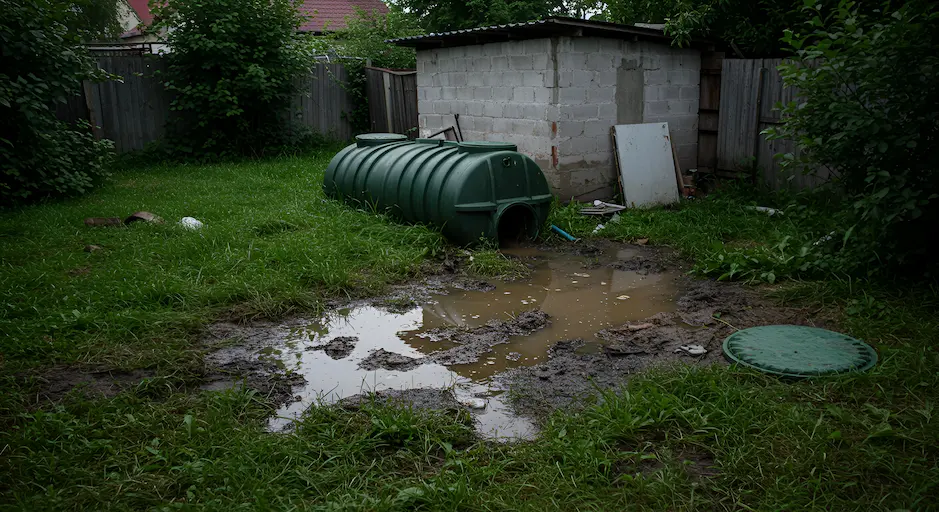

For many homeowners in Wantage, the septic system is easy to forget until it forces its way into the day. A slow-draining shower, a patch of wet lawn that never seems to dry, a toilet that bubbles when the washing machine runs, these are the kinds of warnings people try to work around for a few weeks. That delay is where small maintenance jobs become expensive repairs.
Booking septic services in Wantage NJ before there is an obvious emergency is one of the most practical decisions a property owner can make. Septic systems do not fail all at once in most cases. They decline in stages. Solids accumulate, baffles wear down, filters clog, drain fields become overloaded, and warning signs appear well before a complete backup. The homeowners who save the most money over time are usually not the ones who react fastest in a panic. They are the ones who schedule service while the problem is still manageable.
That matters even more in a place like Wantage, where many homes rely on private septic systems and where seasonal weather can complicate access, soil conditions, and drainage patterns. A system that seems fine during a dry spell can reveal its weaknesses after heavy rain, spring thaw, or a winter freeze. Waiting until the system quits often means dealing with dirty cleanup, scheduling pressure, and fewer repair options.
Small septic issues have a way of turning expensive
A septic system is built to handle a steady pattern of wastewater, not neglect. Over time, solids settle in the tank and need to be pumped out. If they are not, those solids can move further into the system than they should. Once that happens, the risk changes from routine service to damage.
A standard pumping visit is a maintenance cost. Replacing a damaged component, excavating around a buried tank, or addressing a failing drain field moves the job into a different price category entirely. Homeowners often underestimate how quickly costs rise after the first missed warning signs. A minor restriction inside the tank can lead to sewage backing into the house. A worn outlet baffle can allow solids to escape and shorten the life of the field. Water standing over the drain area can mean the soil is no longer accepting effluent properly, which is not a problem anyone wants to discover on a holiday weekend.
There is also the hidden cost of delay. Once a septic issue becomes urgent, people make decisions under pressure. They may need emergency pumping, temporary accommodations, restoration work inside the home, or repeated service calls if the root issue was not addressed early. Planned septic services give you time to diagnose the actual condition of the system, not just contain the mess.
Wantage properties often present conditions that reward preventive care
No two septic systems age the same way, even on neighboring roads. Soil composition, lot grading, tank age, household size, water usage habits, and prior maintenance all shape how a system performs. In Sussex County communities like Wantage, a lot may have slope, mature tree growth, older construction, or changing groundwater conditions. Each of those factors affects septic performance.
Older homes are a good example. Some have tanks and layouts that were installed decades ago, and records are not always complete. A homeowner may not know the exact tank size, whether the system has a filter, where the lids are located, or how close roots have grown to the line. In those situations, routine service does more than remove waste. It helps establish a baseline. Once a septic professional has inspected access points, noted the condition of components, and observed operating patterns, future maintenance becomes much smarter and less reactive.
Even newer homes benefit from regular attention. Modern systems still depend on sound use and timely pumping. A large household with frequent laundry loads and high water usage can fill a tank much faster than a retired couple in a smaller home. People often assume age alone predicts pumping frequency, but daily habits matter just as much as installation date.
Pumping on time protects the rest of the system
If there is one service that homeowners most commonly postpone, it is pumping. That is understandable. The tank is out of sight, and if drains are still moving, the system feels fine. But septic tanks are designed around separation. Solids sink, grease and lighter material float, and the middle layer of clarified wastewater moves onward. When the tank becomes too full of accumulated solids, that separation breaks down.
The danger is not only inside the tank. Once suspended solids pass into downstream components, they can clog lines and reduce the ability of the drain field to absorb and treat wastewater. That is where the consequences become long-term. A neglected tank can eventually damage the most expensive part of the entire system.
The timing depends on household size, tank capacity, and usage. Some homes need pumping every two to three years, while others can go longer. The point is not to guess. Septic services should be scheduled based on actual conditions and a reasonable maintenance interval, not on memory and optimism. Homeowners who keep a simple service history usually avoid the classic problem of saying, “I think it was pumped a while ago,” only to find out it has been six or seven years.
You can catch warning signs before they become a backup inside the house
The best time to inspect a septic system is when it is still functioning, not after sewage reaches the basement floor or the first-floor shower. Early service allows technicians to spot patterns that homeowners often miss or dismiss.
A family may notice one bathroom sink draining more slowly than usual. They might assume it is hair or soap buildup. Then the washing machine discharges and the toilet gurgles. That combination suggests a system-wide issue rather than a local clog. In another case, the lawn near the tank may stay greener or softer than the surrounding area. That can seem harmless until a technician opens the tank and finds levels too high or signs of poor outflow.
One of the practical benefits of scheduling septic services in Wantage NJ sooner rather than later is that diagnosis becomes more accurate before an emergency distorts the picture. During a full backup, everything is under stress. Water use has to stop, access may be more difficult, and temporary pumping can mask the root problem. When service is booked at the warning-sign stage, the system can be assessed in a calmer, more informative condition.
Seasonal timing matters more than many homeowners realize
A lot of septic trouble calls arrive at inconvenient moments. The ground is frozen. There has been a week of rain. Guests are coming for a family gathering. The house is being listed for sale. In each case, the homeowner wishes the appointment had been made earlier.
Seasonal changes in Wantage make that especially relevant. In spring, melting snow and saturated ground can stress a drain field that was already marginal. In summer, heavier water use from visitors, outdoor cleanup, and children home from school can increase demand. In fall, many homeowners finally catch up on property maintenance, which means service calendars fill quickly. Winter creates its own complications, from frozen access areas to limited flexibility if a system needs excavation or repair.
Booking service today gives you better control over timing. Instead of trying to secure help during the busiest or messiest moment, you can choose a date when the property is accessible and when maintenance can be handled without disrupting the household. That alone makes preventive scheduling worth it.
Septic service supports property value and smoother real estate transactions
Septic systems do not just matter when people are living in a home. They matter when people are buying one, too. A property with a documented maintenance history is easier to evaluate and easier to trust. Buyers want reassurance that the system has been pumped, inspected when appropriate, and not ignored for years.
Sellers often discover this late. They prepare the house, paint rooms, tidy landscaping, and then realize the septic records are thin or nonexistent. If there are signs of poor maintenance, negotiations get harder. Buyers may ask for inspections, pumping, repairs, or escrow holdbacks. Lenders and local requirements can add pressure depending on the transaction.
Keeping up with septic services is one of those behind-the-scenes responsibilities that pays off at resale, even though it is not flashy. It shows that the homeowner has cared for the infrastructure, not just the visible finishes. That can make a meaningful difference in how confidently a property moves through the sale process.
Regular service helps preserve health and sanitation
A failing septic system is not just a mechanical inconvenience. It is a sanitation issue. Wastewater belongs in the tank and treatment area, not surfacing in the yard or backing up through indoor plumbing fixtures. When a system is overloaded or malfunctioning, the risk extends beyond bad smells and soggy ground.
Inside the home, sewage backups create contamination that often reaches flooring, trim, drywall, and stored belongings. Cleanup is unpleasant and can be costly because porous materials may need to be removed. Outside, wastewater surfacing in the yard can limit use of the property and create obvious health concerns for children and pets.
Routine septic services reduce the chance of getting to that point. Maintenance may feel easy to postpone because the system is buried and usually quiet. But from a health standpoint, that quiet reliability is exactly what you are paying to preserve.
The right visit can answer questions homeowners have been guessing about
Many people live with septic systems for years without really knowing how theirs is configured. They may not know where the tank lids are, whether there is an effluent filter, how old the system is, or what kind of water habits shorten its lifespan. A service appointment often clears up those uncertainties.
That has practical value. Once you understand the system, you can make better decisions about daily use. You can spread out laundry loads instead of running them all in one afternoon. You can avoid directing surface runoff toward the drain field. You can recognize which wet spots are harmless and which deserve a call. You can keep service records and remember your last pumping date with confidence instead of approximation.
This kind of knowledge also helps when something does go wrong. A homeowner who knows the tank location, household history, and previous service findings can communicate much more clearly during a call. That tends to produce faster, more useful help.
Some warning signs should not wait another week
There is a difference between booking routine maintenance and delaying when the system is already asking for help. If any of the following are happening, it makes sense to schedule septic services promptly.
- Drains are slow in multiple fixtures, not just one sink or tub.
- Toilets gurgle or bubble when water is used elsewhere in the house.
- Wet, spongy, or unusually green patches appear near the tank or drain field.
- Sewage odors are noticeable indoors or outside near the system area.
- It has been several years since the tank was pumped and no service record is available.
These signs do not always point to the exact same cause, but they are strong reasons to stop guessing. The longer they are ignored, the fewer simple fixes remain on the table.
Emergency calls usually cost more in money, time, and stress
Most homeowners do not need to be convinced that an emergency plumber or septic call is unpleasant. What surprises them is how much secondary disruption follows the initial event. Bathrooms may be out of service. Laundry has to stop. Family routines get rearranged. If backup reaches finished areas, cleanup and drying begin while the septic issue is still being addressed.
Emergency work also limits your choices. When a problem has to be solved immediately, you may not have the luxury of scheduling on your preferred day, comparing options carefully, or addressing the issue under ideal site conditions. The focus shifts to restoring basic function first. That is necessary, but it is rarely the most cost-efficient path.
Routine septic services reduce the odds of that scenario. They create space for maintenance and measured repair before the household is forced into crisis mode. For busy families, that predictability has real value.
Local experience matters with septic systems
Septic work is never fully generic. Systems respond to local conditions, and professionals who work in and around Wantage are familiar with the kinds of layouts, soils, weather effects, and property patterns common to the area. That local perspective often leads to better judgment.
A technician who has seen repeated issues in similar neighborhoods may quickly recognize why one property stays wetter in spring or why an older installation needs closer monitoring. They may know which access challenges are common on rural lots, how long certain ground conditions persist after rain, or what maintenance habits tend to help homeowners in the area get more life from their systems.
That is one reason many residents specifically look for septic services Wantage NJ rather than treating septic care as a generic commodity. The work may appear straightforward from the driveway, but sound recommendations usually come from experience on local ground, not just from a pump truck and a schedule book.
Preventive service is often the cheapest form of septic ownership
There is a larger principle behind all of this. Every house has systems that cost less to maintain than to replace. Roofs need inspection. Furnaces need cleaning and tune-ups. Gutters need to stay clear. Septic systems belong in the same category, except the consequences of neglect are more immediate and less forgiving.
A homeowner does not need to become an expert to protect the system. A few habits make a noticeable difference.
- Keep a record of pumping dates and any prior septic findings.
- Use water steadily rather than overwhelming the system with heavy single-day use.
- Avoid flushing wipes, grease, and other materials that do not belong in the tank.
- Pay attention to changes in drainage, odors, or wet spots outdoors.
- Schedule service before a sale, after a long gap in maintenance, or at the first sign of broader trouble.
None of these steps is dramatic. That is the point. Good septic ownership is mostly quiet, ordinary, and preventive. It is cheaper to stay on that path than to recover after avoidable neglect.
Why today is the right time to make the appointment
There is always a reason to put septic work off. The drains are still moving. The yard looks normal enough. The family is busy. The budget is tight this month. But septic systems do not reward delay. They reward attention while the https://www.manta.com/c/m1w9kdj/excavating-new-jersey-llc stakes are still low.
If your tank is due for pumping, if you have noticed early warning signs, or if you simply do not know when the system was last serviced, booking now gives you options. You can choose a convenient time. You can get a clearer picture of the system’s condition. You can address small issues before they affect the house, the yard, or a future real estate transaction.
Most of all, you can replace uncertainty with information. That is often what homeowners need most. Not alarm, not guesswork, just a professional look at a system that quietly handles one of the most important jobs on the property every day.
For Wantage homeowners, septic services are not an optional afterthought. They are part of responsible property care. The sooner that care is scheduled, the better the odds that the system stays uneventful, sanitary, and far less expensive to own.
Excavating New Jersey LLC
Address: 406 County Rd 565, Wantage, NJ 07461
Phone number: +19737914284
FAQ About Septic Services Wantage NJ
What is the average cost to get a septic tank emptied?
Emptying a septic tank costs between $290 and $560 on average, with most homeowners paying about $420. Prices vary based on tank size.
What is septic service?
Septic service inspects, pumps, cleans, and maintains a septic tank. A septic tank is a large, underground container that collects and treats wastewater from your home. Over time, sludge, scum, and other debris, like hair and solids, can build up in your tank and clog your drain field.
How often should you have a septic tank serviced?
A standard septic tank should be inspected every 1 to 3 years and pumped every 3 to 5 years. However, the exact schedule depends on your tank's capacity, household size, and daily water usage.